Whole House Water Softener Solutions for the emerald coast

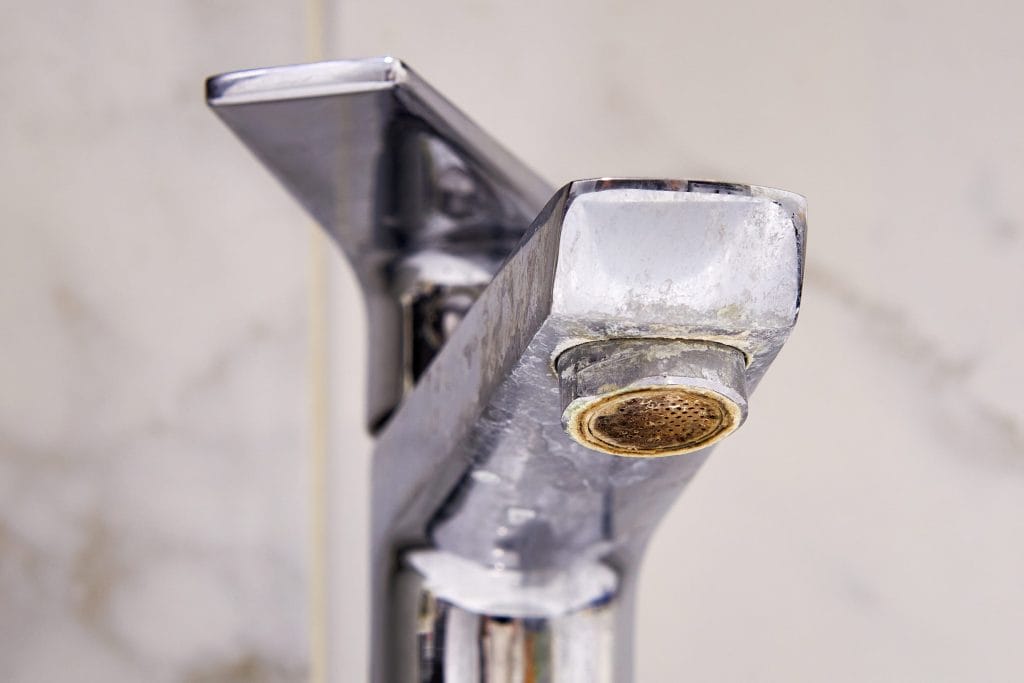
Homeowners from Panama City Beach to Destin, throughout Miramar Beach, Freeport, Santa Rosa Beach, Sandestin, and more know that our region’s water presents unique challenges. Hard water is a common concern across the Emerald Coast, leaving behind mineral buildup, dry skin, and that frustrating film on fixtures and glassware. A whole house water softener provides a comprehensive solution, delivering softened water to every tap, shower, and appliance in your home.

Comprehensive
Filtration

Improved Water
Quality

Efficient
Installation

Customizable
Options
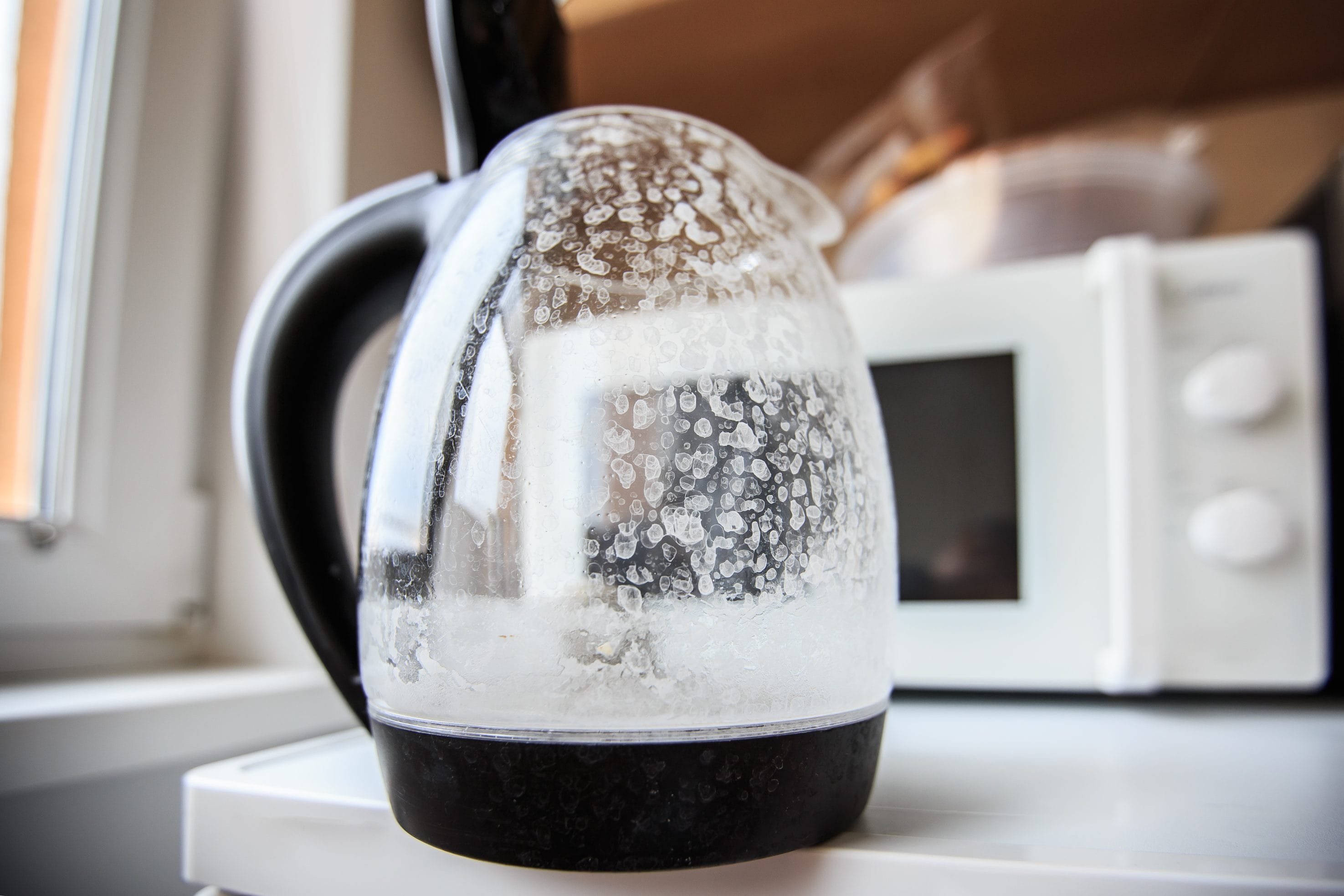
A glass electric tea kettle with lots of limescale from hard water.

What Does a Whole House Water Softener Do?

How the softening process works:

  • Water passes through a tank filled with resin beads that carry a negative charge.
  • These beads attract and hold positively charged calcium and magnesium ions, replacing them with sodium or potassium ions.
  • The resin beads become saturated with hard minerals.
  • The system automatically flushes them with a salt solution (brine), washing away the accumulated minerals and recharging the beads.

get a free water quote

Our free water treatment quote request helps our team evaluate your home’s unique needs using local water data so we can build your personalized system recommendations. Once you complete the steps, we will deliver a custom water quality assessment, transparent pricing options, and a breakdown of your yearly savings.

What Benefits Will I See With a Whole Home Water SOftener?

  • Extended appliance lifespan: Water heaters, dishwashers, and washing machines operate more efficiently and last longer.
  • Reduced soap and detergent usage: Soft water lathers more effectively, meaning you’ll use 50-75% less soap, shampoo, and cleaning products.
  • Softer skin and hair: Without harsh minerals stripping natural oils, you’ll notice improved skin hydration and more manageable hair.
  • Spotless fixtures and glassware: Say goodbye to white residue on faucets, showerheads, and dishes.
  • Cleaner plumbing: Prevent mineral accumulation that restricts water flow and leads to costly pipe repairs.
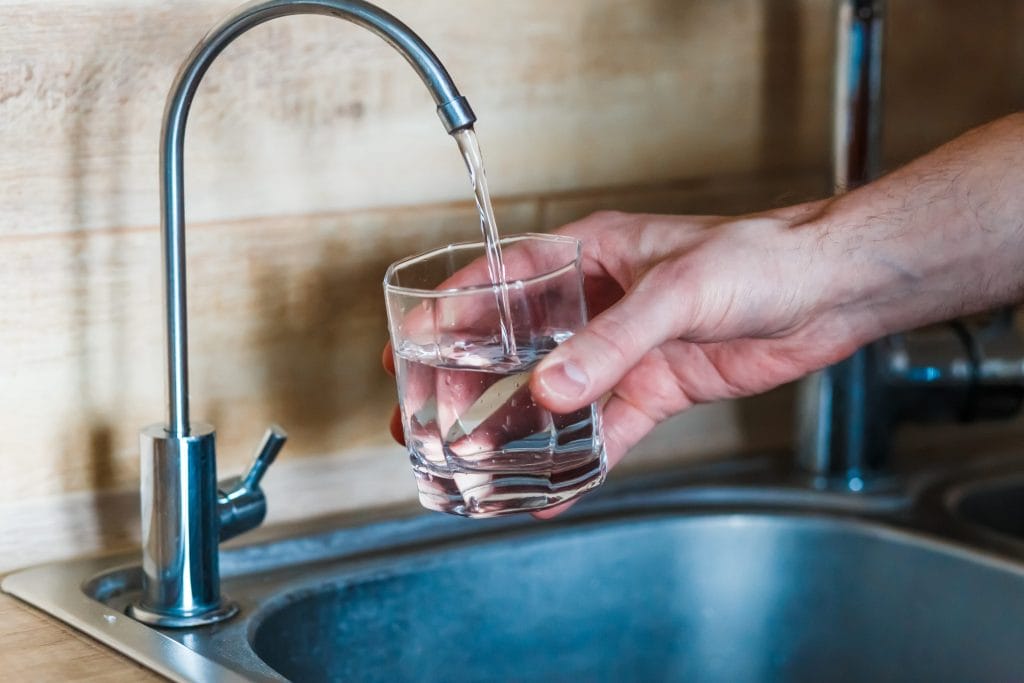
Drinking clean water from a whole-house water filtration system

Why Choose us for Whole-House Water softening?

Pure Emerald Coast stands out for its commitment to delivering high-quality, customized whole-house water softening solutions. Backed by decades of expertise and cutting-edge EcoWater technology, we offer unparalleled benefits and peace of mind.

Custom Solutions

Each system is uniquely designed to fit your home’s plumbing layout and water usage.

EcoWater Technology

Benefit from the efficiency and durability of high-grade EcoWater equipment.

Smart Leak Detection

Minimize risk with our intelligent leak detection and alert system.

Site Preparation

We identify the main water entry point to ensure the system is placed upstream of the water heater and has easy access to power, drainage, and salt loading.

Plumbing integration

The unit is hard-plumbed into your main line with a dedicated bypass valve to ensure consistent water pressure.

compliance testing

We’ll configure the control valve to match your home’s specific water hardness and run a test cycle to verify proper drainage.

Streamlined water softener Installation Process

Our step-by-step process ensures your whole-house softening system is seamlessly integrated into your home. Enjoy a tailored approach, quality installation, and ongoing support for optimal performance and peace of mind.

Frequently Asked Questions About Whole house Water softening

Below, you’ll find answers to some of our most frequently asked questions. Feel free to contact us for any additional inquiries.

A quality whole house water softener represents a long-term investment in your home, typically providing 15-20 years of reliable service when properly maintained. The system consists of multiple components with different lifespans that influence overall longevity.

The mineral tank, which houses the resin beads responsible for the ion exchange process, is the most durable component and often lasts the full lifespan of the system. The resin bed itself may require replacement after 10-15 years, depending on your water quality, iron content, and chlorine exposure. Homes with high iron levels or chlorinated municipal water may see faster resin degradation.

The control valve (the brain of your system) typically lasts 10-15 years. Modern digital valves offer greater reliability than older mechanical versions. The brine tank, when kept clean and free of salt bridges, can last the entire life of the system.

Factors that extend system lifespan include using high-quality salt, maintaining appropriate salt levels, scheduling periodic professional maintenance, and addressing any water quality issues that stress system components.

Salt consumption varies significantly based on several factors specific to your home and water quality. Average households typically use 40-80 pounds of salt monthly, but your actual usage may fall above or below this range.

Water hardness is the primary factor affecting salt consumption. Homes with extremely hard water require more frequent regeneration cycles, which use more salt. A household with moderately hard water might use one 40-pound bag monthly, while a home with very hard water could require two or three bags in the same period.

Household size and water usage patterns also play significant roles. A family of five using water for multiple daily showers, laundry loads, and dishwasher cycles will consume more salt than a couple with minimal water usage. Vacation homes that sit unoccupied for extended periods use very little salt during those times.

This is one of the most common concerns we hear from homeowners, and the answer is reassuring: properly softened water should not taste salty.

During the ion exchange process, hard water minerals (calcium and magnesium) are replaced with sodium ions. The amount of sodium added is directly proportional to the hardness of your water. For moderately hard water, softening adds approximately 12-20 milligrams of sodium per 8-ounce glass. To put this in perspective, a single slice of bread contains 100-200 milligrams of sodium—up to ten times more than a glass of softened water.

Most people cannot detect this minimal sodium addition. If your softened water tastes noticeably salty, it may indicate a system malfunction, such as a stuck valve allowing brine into your water supply, improper programming, or a regeneration cycle that isn’t completing properly. These issues require professional diagnosis and repair.

Maintaining proper salt levels ensures your water softener functions effectively and prevents issues that can affect water quality throughout your home. Developing a regular monitoring routine protects your investment and maintains consistent soft water delivery.

Most brine tanks should maintain salt levels at least one-third full at all times. When salt drops below this level, the brine solution may become too weak for effective regeneration, leaving hard minerals on the resin bed and allowing hard water into your home. Ideally, keep your tank half to two-thirds full for optimal performance.

Check your salt levels at least monthly by lifting the brine tank lid and visually inspecting the contents. Some tanks have translucent sections that allow viewing without opening the lid. If you can see water above the salt level, add salt immediately – the tank should never have visible standing water above the salt.

Watch for salt bridges, which occur when a hard crust forms at the top of the salt while an empty space develops below. This creates the illusion of adequate salt while the system actually cannot create proper brine. If you suspect a salt bridge, carefully use a broom handle to break up the crust without damaging the tank.

Standard water softeners specifically target hard water minerals, primarily calcium and magnesium, through the ion exchange process. They are not designed to remove other contaminants.

Chlorine, which municipalities add to water supplies for disinfection, passes through a standard water softener unchanged. While chlorine serves an important public health function, many homeowners prefer to remove it before water reaches their faucets due to its taste, odor, and potential drying effects on skin and hair.

Other contaminants that water softeners do not address include:

  • Sediment and particulates that cause cloudiness or grit in water require mechanical filtration.
  • Volatile organic compounds (VOCs) and certain chemicals require activated carbon or specialized media.
  • Heavy metals like lead require specific filtration technology.
  • Bacteria, viruses, and other microorganisms require disinfection or ultrafiltration.

For comprehensive water treatment, Pure Emerald Coast recommends pairing your water softener with a whole house water filtration system that addresses chlorine, sediment, and other contaminants before water enters your softener.

Properly sized and correctly installed water softeners have minimal impact on household water pressure, typically so slight that homeowners never notice the difference. However, pressure problems can occur when system selection or installation doesn’t account for your home’s specific requirements.

Water pressure loss through a softener depends primarily on the size of the valve and mineral tank relative to your home’s peak water demand. When multiple fixtures operate simultaneously – say, two showers, a dishwasher, and a washing machine – undersized systems create a bottleneck that restricts flow. This manifests as reduced shower pressure or slow-filling appliances during high-demand periods.

Professional system sizing accounts for your home’s square footage, number of bathrooms, fixture count, and typical usage patterns to ensure adequate flow during peak demand. Larger homes or those with high water usage require commercial-grade valves and appropriately sized tanks.

Demand-initiated regeneration systems, which Pure Emerald Coast recommends, monitor actual water usage and calculate when the resin bed nears exhaustion. These intelligent systems regenerate only when necessary, typically every 3-7 days for average households. Usage patterns that include heavy laundry days or house guests trigger more frequent regeneration automatically.

Timer-based systems regenerate on fixed schedules regardless of actual water consumption. Set to regenerate every three days, such a system regenerates on schedule whether you’ve used 100 gallons or 1,000 gallons. This approach wastes salt and water when consumption is low and may allow hard water breakthrough when consumption exceeds expectations.

Regeneration cycles typically occur during early morning hours (usually 2:00 AM) when household water demand is lowest. The complete cycle takes approximately 90-120 minutes and uses 50-100 gallons of water depending on system size and settings. During regeneration, water bypasses the softener, so brief early-morning water usage may be unsoftened.

Yes. Water treatment facilities focus on safety – removing or neutralizing pathogens, reducing certain regulated contaminants, and adding disinfectants like chlorine to prevent bacterial growth during distribution.

Hardness minerals like calcium and magnesium pose no health threats, so municipalities have no regulatory requirement to remove them and generally don’t invest in softening infrastructure.

Testing your specific water provides accurate data about hardness levels and helps determine optimal system capacity. Pure Emerald Coast offers complimentary water testing that measures not only hardness but also chlorine levels, pH, iron content, and other factors that influence treatment recommendations.

City water customers often benefit from combining a water softener with whole house carbon filtration that addresses the chlorine municipalities add. This combination delivers soft, chlorine-free water throughout your home while a dedicated drinking water system at the kitchen sink provides the highest quality water for consumption.

What Our Customers Say About Our Water Services

Valuable Resources for Whole-House Water Filtration & Softening

Discover our collection of insightful resources designed to enhance your understanding and management of whole-house water filtration systems.

Schedule Your Complimentary Water Test Today

Understanding your water’s unique characteristics is the first step toward healthier, better-tasting water throughout your home. Pure Emerald Coast provides free water testing to homeowners across the Emerald Coast—from Destin to Panama City Beach and everywhere in between.

Our team will analyze your water quality, evaluate your home’s plumbing infrastructure, and design a customized solution that addresses your specific concerns. Contact us today.

When it comes to whole house filtration, we can help provide softer water, better drinking water, and more.

"*" indicates required fields