
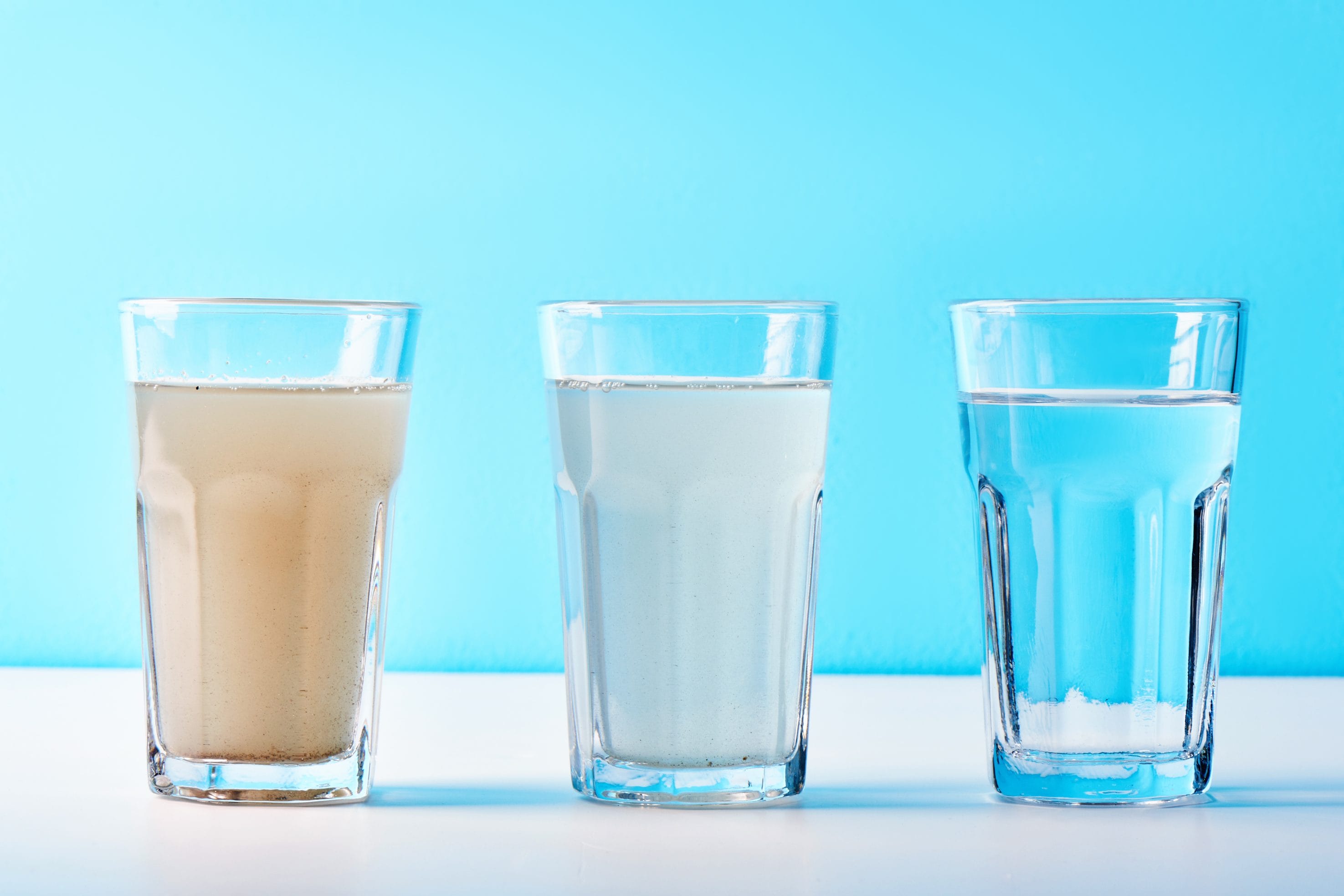
If you’ve ever taken a sip of water from your tap and noticed something just doesn’t taste right, you’re not alone. Many homeowners across the Emerald Coast, from Destin to Panama City Beach, experience water that tastes off, whether it’s metallic, chemical, or downright unpleasant. The good news? Understanding what causes a bad taste in water is the first step toward finding water filtration solutions for your home.
Why Does My Water Have a Metallic Taste?
A metallic taste in your water is one of the most common complaints we hear from homeowners in our area. This unpleasant flavor often indicates the presence of dissolved metals in your water supply.
If you’re wondering why your water tastes like metal, there are several factors can contribute to that metallic tang:
- Aging pipes: Older homes with corroded iron, copper, or galvanized steel pipes can leach metals into your water
- Low pH levels: Acidic water is more likely to dissolve metals from your plumbing system
- High mineral content: Naturally occurring minerals like iron, manganese, or zinc can create that metallic flavor
- Well water sources: If your home uses well water, mineral-rich groundwater may be the culprit
Beyond being unpleasant to drink, metallic-tasting water can also affect the taste of your coffee, tea, and cooked foods. A comprehensive water test can identify exactly which metals are present, allowing for a targeted filtration solution that addresses your specific water chemistry.
Why Does My Water Taste Like Chlorine?
That swimming pool taste in your tap water comes from chlorine—and while it’s added intentionally to municipal water supplies to kill harmful bacteria, that doesn’t mean you want to drink it.
Here’s why you might be noticing a stronger chlorine taste:
- Proximity to treatment facilities: Homes closer to water treatment plants often receive water with higher chlorine concentrations
- Seasonal fluctuations: Water utilities may increase chlorine levels during warmer months when bacterial growth is more likely
- Temperature changes: Warm water can make chlorine taste and smell more noticeable
- Chloramine use: Some municipalities use chloramine (a chlorine-ammonia compound) which can be harder to remove and may leave a lingering taste
While chlorine in drinking water is considered safe at regulated levels, many wellness-conscious families prefer to remove it before drinking. Whole-house water filtration systems can effectively reduce chlorine throughout your entire home—improving not just the taste of your drinking water, but also the quality of water you shower and bathe in.
Why Does My Water Taste Like Sulfur?
Few water taste issues are as immediately noticeable (or as off-putting) as that rotten egg smell and taste caused by hydrogen sulfide gas. If your water tastes like sulfur, you’ll definitely know something is wrong.
Common causes of sulfur-tasting water include:
- Sulfur bacteria: These naturally occurring bacteria thrive in oxygen-depleted environments like wells and water heaters
- Chemical reactions in water heaters: The magnesium anode rod in your water heater can react with sulfates, producing hydrogen sulfide
- Groundwater conditions: In areas like the Emerald Coast, sulfur can naturally occur in groundwater, especially in well water systems
- Decaying organic matter: Plant material breaking down in water sources can release sulfur compounds
If you only notice the sulfur taste when running hot water, your water heater may be the source of the problem. However, if both hot and cold water are affected, the issue likely stems from your water supply itself. A professional water test can determine the exact source and concentration, leading to an effective treatment plan.
Why Does My Water Taste Earthy?
An earthy, musty, or dirt-like taste in your water can be particularly frustrating because it often comes and goes with the seasons. This flavor is typically harmless but certainly doesn’t make for an enjoyable drinking experience.
The earthy taste usually comes from:
- Algae blooms: Seasonal algae growth in surface water reservoirs produces organic compounds called geosmin and MIB that create musty flavors
- Decaying vegetation: Organic matter breaking down in water sources can impart an earthy taste
- Bacteria in the distribution system: Certain non-harmful bacteria can produce compounds that affect taste and odor
- Sediment buildup: Accumulated sediment in pipes or water heaters can contribute to earthy flavors
Residents in coastal communities like Inlet Beach, Rosemary Beach, and Santa Rosa Beach may notice these taste changes more during certain times of year when environmental conditions favor algae growth. While these compounds aren’t typically dangerous, they can make your water unappetizing for drinking and cooking.
Take the First Step Toward Better-Tasting Water
Bad-tasting water isn’t something you have to live with. Whether your home is in Destin, Miramar Beach, or Panama City Beach, understanding what’s in your water is the key to finding the right solution.
At Pure Emerald Coast, we offer complimentary water testing to identify exactly what’s affecting your water quality. Based on your results—and your home’s unique plumbing infrastructure—we design customized whole-house water filtration systems using premium EcoWater technology that address your specific concerns.
No more guessing. No one-size-fits-all solutions. Just clean, great-tasting water throughout your entire home. Schedule your free water test today and discover what’s really in your water – and how good it can taste.